

The genre of romantic comedies is perfect to me. From He’s Just Not That Into You to Notting Hill, I’ve seen more than I should probably admit. The comforting and nostalgic nature they provide is unmatched. My love for the genre began the first time I plopped down on my couch to watch Mamma Mia! and enjoy the spectacle of an ABBA song performed by a bachelor party in scuba gear. From then on I haven’t stopped watching for most of my freetime. I thoroughly enjoy every one of my late nights that consist of cheering for love to prevail on my screen, because I’m a complete sucker for every “it’s always been you speech” I’ve ever heard.
My name is Cecelia Griggs and welcome to Rom-com-ing Through Life, a blog to detail all things romantic comedy and how they relate to real world topics.
The Opening Shot: How Romcoms Began
The genre’s beginning is slightly muddled because whilst the term romcom was first recorded in 1971 by the Oxford Dictionary, many argue actual romcoms were being made for centuries before then. In a sense, William Shakespeare was writing them way back in the 1500s, but on screen romcoms are generally recognized as beginning with the silent films Sherlock Jr. and Girl Shy.

Sherlock Jr. follows an amateur detective and movie theater projectionist who is framed when his girlfriend’s father’s pocket watch is stolen. When he falls asleep at work he dreams of becoming a detective to solve the crime. When the real thief confesses to stealing the pocket watch, the projectionist is awoken, and subsequently proposes to his girlfriend. This film is seen as a pivotal moment in film history for its comedy, groundbreaking special effects, and romantic storyline.
Girl Shy is a story of a Fate, a man so shy and stuttering he cannot speak to women. He writes a guidebook for men such as himself to aid in their quests for romance. Fate then meets a rich woman named Mary, and they fall in love. Unfortunately, she’s promised to another man and so Fate must attempt to prevent the wedding. Girl Shy is recognized as one of the first romcoms because of its blending of comedy into the romantic relationship of the film.
Both films just discussed are completely silent adding upon the impressiveness of their ability to begin a completely new genre.
Since their inception romcoms have been impactful culturally. The chokehold many classics hold on so many generations is undeniable. People live for La La Lands beloved dance sequences as well as its non traditional manner of approaching the romcom genre. Some of the most recognizable of the genre may be When Harry Met Sally with its rant style love confession, Say Anything and its iconic boombox outside the bedroom window, or 10 Things I Hate About You and Patrick’s serenade of Kat. Whilst all of those movies are incredible and so many romcoms are, it is difficult to pin the best.
My top three consists of 27 Dresses because I live for Jane and Kevin jiving along to their own made up lyrics of Bennie and the Jets by Elton John. I also love To All the Boys I’ve Loved Before because it holds so much childhood nostalgia, and a unique storyline. My absolute favorite romcom, and arguably one of the greatest films of all time is The Princess Bride. This film will never cease to bring tears to my eyes, anger to my fists, laughter to my tongue, and warmth to my heart. I was raised in a family that treats this film as more of a way of life than an entertainment so I’m probably genetically predisposed to love it. Nevertheless, I have yet to meet anyone who doesn’t enjoy the film so if you haven’t watched it please do so soon.
Real Life Issues and Feelings: How Romcoms Evolved After 9/11
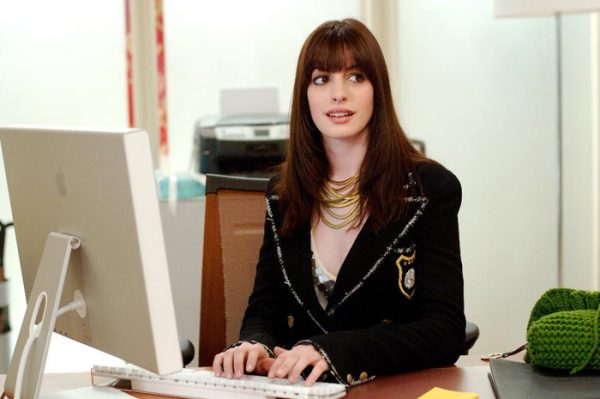
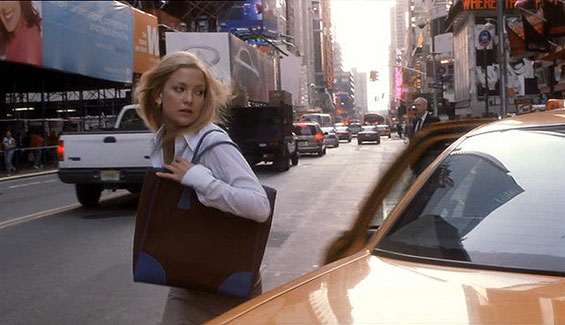
Many factors have contributed to the evolution of the modern romcom. One such factor was the 9/11 terrorist attacks and their impact on the entirety of the world, but specifically the entertainment industry. An extreme escapism culture emerged in a post 9/11 world, and with that came movies meant to distract. The collective and understandable hysteria of the United States created a Hollywood scramble. Movies underwent post production editing to remove any shots or mention of the Twin Towers. Releases following the attack were glossy, and avoided any real world topics. This can be seen in How to Lose a Guy in 10 Days or Maid in Manhattan. Despite being set in New York City, they skillfully exclude any mention of the real issues plaguing the city at the time.
Movies have always been an escape from reality because so many enjoy trading their lives with a character, even if it’s only for an hour. It’s fun to pretend you’re on the receiving end of 365 love letters or pretending to be your brother to pursue your passion for soccer. I enjoy indulging in the pretend, and I believe more people would be happier if they simply let themselves enjoy a cheesy love story. In the context of a post 9/11 world, romcoms provided a perfect hour or two of pure laughter and hope in a time filled with sadness, and uncertainty. At the end of most romcoms the viewer is guaranteed a dramatic love confession, and the couple is ultimately happy and together.
The lasting effects of this shift in romcoms is still visible today. Whilst many would not expect political or social commentary in a romcom, the absence of it can be noticeable. Although some romcoms do deal with many real life issues, a specific eye is often
required to recognize it. 10 Things I Hate About You handles some feminist issues when Kat discovers Patrick is being paid to take her out, or Pretty Woman with its showcasing of Vivian’s job as an escort. Romcoms should not be used as final say on any real world issue, but they should be allowed to discuss and portray real life issues.
Why are they laughing? A Discussion on the Constant Criticism of Women and Their Interests
So many of the most recognizable romcoms take place in New York, LA, or some nondescript big city, and that is not coincidental. The big city life is a familiar reverie to countless. A job at a fashion magazine, much like Andie Anderson in How to Lose a Guy in 10 Days, and a dream of wearing couture to a casual day at the office is a collective fantasy of so many—but why?
I am familiar with the daydream of this type of life. I have wished to live in a big city, wear the most glamorous clothes to my job at a newspaper, grab a perfectly caramel colored coffee and crisp bagel on the way to work, and end my day with Chinese takeout in a tastefully decorated high rise apartment. I know I dream of this life because it feels like something achievable, but only when viewed under a fuzzy microscope. Under close inspection many questions emerge. How do these women afford such nice apartments on magazine writer or assistant salaries? They don’t; it’s just movie magic.
The want for this dream life is not inherently problematic, but so many would beg it is. I disagree. It is okay to want a life like this because popular media has long portrayed it as the perfect life. Most people dreaming of this life also recognize it is merely a fantasy, simply a way to escape the monotony of their everyday lives. If men can wish to become professional athletes with no skill then women are allowed to wish to wear vintage couture. The question still begs: Why is it that women’s dream of this life is seen as stupid by so many? I would wager it is because women are dreaming of it. Time has continuously told the tale that women cannot enjoy anything without someone poking fun at them. I have been told time after time that my love for romcoms is laughable because “boys will never act like that in real life,” which has always angered me. In fact, I have been told my interest in many things is laughable. My deep love for Taylor Swift and other pop stars is “stupid” because they “only write breakup songs.” I’ve watched Gilmore Girls over 15 times, and according to most that’s “an insane waste of my time.”
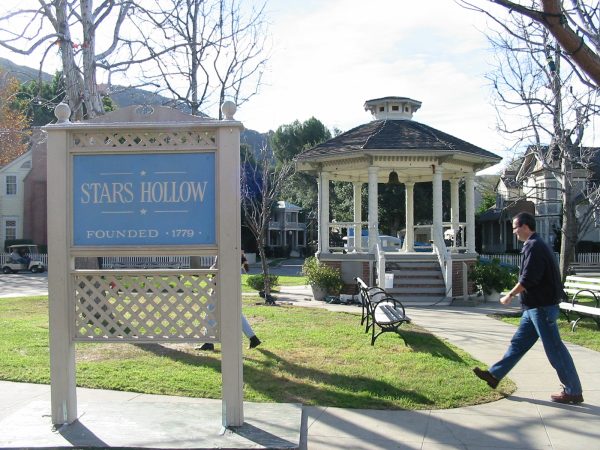
My experiences are not uncommon for numerous women. Why is that when I spend money to see my favorite pop star live it’s a waste, but not when a man buys tickets to his favorite football team’s game. That same man’s anger over his team’s loss is normalized, but fangirls screaming when a singer plays their favorite song is viewed as crazy behavior.
I recently had an experience that prompted a deeper thought in me. Whilst working on this blog I asked many for advice. As I was explaining how my blog is about romcoms to one of my teachers, he chuckled. I was shocked that the very thing I was writing about for this post had just happened to me. The ironic nature of the situation was not lost on me so we had a discussion on why the chuckle had occurred. He explained it wasn’t a conscious laugh, and he apologized. I reassured him I didn’t take offense, but after more discussion we agreed it proves my point. Even without knowing he was doing it, he had perpetuated how women cannot hold interests in anything without being laughed at. The most important part of this experience for both of us was his acknowledgment and apology for his behavior, but so many women do not get that acknowledgement and apology.
Ultimately, the political and social system our world has chosen is doomed to perpetuate the behavior of never letting women enjoy anything without a variation of criticism. I know all I can do is keep indulging in my love for all things romcoms. Frankly, everyone should indulge because romcoms are the perfect form of protest to such a system. They keep people hoping for the best in others, for love to prevail, and are almost always accompanied with an amazing soundtrack. So I want you, reader, to be left with the feeling of anger at this behavior I’ve described, but instead of bottling up that anger, please go swap that feeling for enjoyment and watch a great romcom.