The continuous use of biotechnology
Everyday my grandma wakes up and she puts on her dentures while getting ready for the day. She is almost 85 years old now and suffers from severe tooth decay. Growing up in Africa, my grandma did not have access to a functioning toothbrush or water. As a child, it was not the norm to have oral hygiene. This was because many families could only afford the necessities which were food, water, and shelter. When she immigrated to the United States, she got dentures that allowed her to eat without struggling. She is one of many who rely on dentures to get through their everyday lives. The people who created this helpful product are now known as biomedical engineers.
Biomedical engineering goes way back to ancient Egypt around 2100 BC. According to ScienceDirect.com, a prosthetic toe was created for a female mummy. This toe was made of wood and leather, allowing people to walk in sandals, as that was the way of getting around. The product was recently discovered in 2000 in the tomb of an ancient mummy. The surprising thing is, the prosthetic toe was still in good condition and was functional for walking. For the antiseptic, which is a chemical that goes on living tissues to kill microorganisms preventing infections, ancient Egyptians used honey as it is high in sugar therefore it dehydrates bacteria cells.
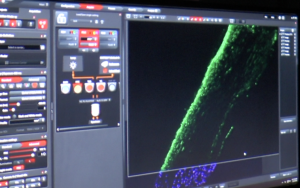
(Fatumata Swaray)
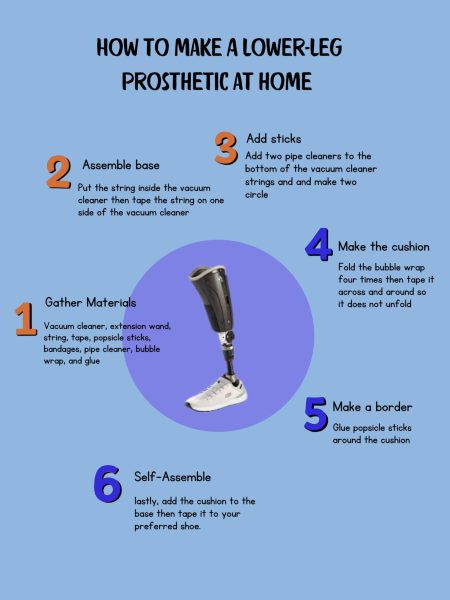
In this day and age, biomedical engineers make prosthetic body parts and customize them by scanning the limb. Then, there is a test socket created so that everything is sure to fit. Lastly, the mold is wrapped in carbon fiber to make it strong.
Another biotechnology invention that has improved our society are pacemakers. Early pacemakers were large box-like devices that had to be carried on carts, creating risks of infection. Now, pacemakers are only 2-inches long and are put directly on the heart. They also do not have wires, therefore reducing risks of infection. The wireless technology improves people’s safety and is convenient.
The last example is an artificial heart valve, which is a replacement valve for unhealthy valves to prevent blood flow from happening. Around the late nineties, these valves were high-risk for everything from high mortality to blood clotting risks, which can cause the need for major surgery, cancer, and certain medications. In the 21st century, artificial heart valves have far less risk. They also last 10-20 years, reducing the need for frequent surgery. Overall, they are a top choice for people who need them.
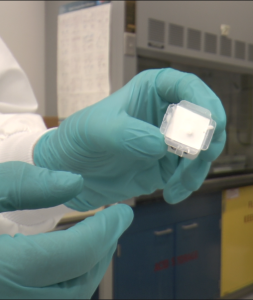
(Fatumata Swaray)
Recently, I asked an interviewee if they knew anyone personally impacted by biomedical engineering or uses a medical device. The interviewee responded by saying “my dad is pre-diabetic so he has to check his sugar sometimes and has a device that takes periodic checks of his sugar levels.” This shows biotechnology is something people depend on to survive especially as they age.
Biomedical engineering has been used across the world from ancient times to present times. These products have improved our lives, whether that be prosthetics that allow people to keep going to work, school, or just around their house, to teeth implants that allow grandma to chew. After reading this, I want us to slow down and look at the world around us a bit differently. Think about the things we use everyday and how the product may have been created. We might find an innovation that was created by biomedical engineers. We just have to look.
Biomedical engineering students creating devices
Biomedical engineering is the application of biology and medicine to solve a problem by engineering a medical product. We can all agree that innovation is mostly improving our world with new ideas and technologies. This might lead you to wonder what our youth are developing to improve the health care system now? Here are some products being developed by college students around the United States of America:
UroFlo: An automated continuous bladder irritation system created by students at Rice University. It helps post-surgical patients by preventing urinary catheter blockages and infections. This device is not like others as it uses AI to automatically monitor urine color and adjusts fluid inflow rate. UroFlo requires no patient checkup because it reads the patient’s blood flow electronically, but if it notices a potential issue it alerts the clinicians. Though UroFlo is not on the market yet, it has won numerous awards, including “ First place in the Johns Hopkins Healthcare Design Competition in the Post-Surgical Infection Management category”.
Octave: A device that helps diagnose patients with conductive hearing loss, which is issues in the outer or middle ear causing the patient to have reduced hearing. It was created by students from the University of California Riverside. Octave is different because it takes high-quality images and videos of the middle ear therefore helping the ear doctor know what is going on. It’s not on the market yet but the team did win second place at the National Institute of Health Challenge.
ColoTech: A pill alternative to colonoscopy, colonoscopy is a 30-60 minute procedure used to examine the inside of the colon. It was created by students from Stanford University. The pill is designed to emit a signal if it gets in contact with a cancerous tissue. The product is not fully developed yet but it is being refined. The team
that designed this product was awarded $15,000 from the National Cancer Institute.
This shows the diversity of biotechnology from the development of devices to medicine. All these products can enhance the further of the medical field.
Q & A with Professor Tranquillo
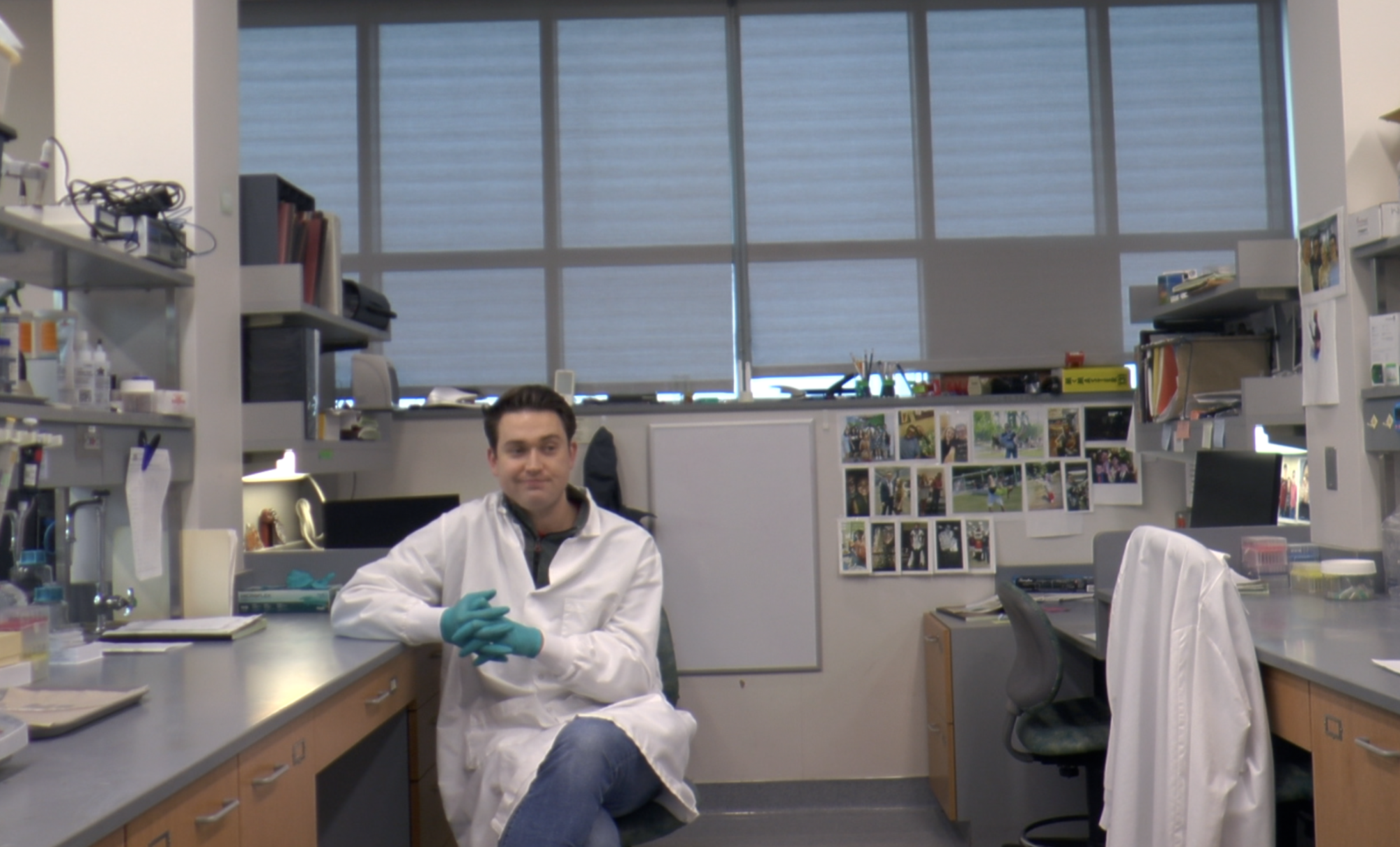
I interviewed Mr. Tranquillo, a professor at the University of Minnesota, Twin Cities for the department of biomedical engineering. He has an impressive engineering background and talked me through it. I had the opportunity to learn how he got started with his biomedical engineering research.
Fatumata: Could you walk me though your education background? I know you have several degrees in chemical engineering and you went to really impressive schools and top universities.
Professor Tranquillo: Yeah, so I grew up near Philadelphia so going to Pennsylvania State University was kind of an obvious option for me. I took it because they have a very good engineering program. I went into chemical engineering because even though I loved biology in high school, I was concerned about having a revenue and a salary when I got done….
Fatumata: Mhm
Professor Tranquillo: and got a job, so I went into the chemical engineering route. The funny thing is, I did nothing that involved biology really as an undergraduate. But I still had that recollection from high school of really liking AP biology. So when I went to graduate school, I chose programs that specifically had people doing bioengineering research of interest to me. First it was Stanford. Then for my masters degree and then I moved to Pennsylvania for my PhD. Funny thing is the person who I really wanted to work with had just gotten his PhD from the University of Minnesota in chemical engineering, so I had a fabulous time with Professor Lauffenburger as my advisor in this new area of bioengineering within the chemical engineering research world. Then when it came time to think about getting a faculty position which I really wanted to do because I love teaching and I love the research. He said “well you have to apply to Minnesota”, and I said “where is Minnesota”?

(Fatumata Swaray)
Fatumata: *laughter*
Professor Tranquillo: I had no idea where on the map Minnesota was, but they certainly had a very highly ranked program even back then. Before I went to Minnesota, of course I had the opportunity to go to Oxford for a post doctoral session. I was there for one year in their center for mathematical biology and learned about wound healing.
Fatumata: That’s really cool
Professor Tranquillo: Which is really the way I got into what I’m doing now in terms of research.