Therapy is more popular today than it ever has been in history. People line up every day to sit down with a professional and talk through their feelings. This is an amazing way to vent frustration and improve yourself as a person, but saying it’s all just therapy is a massive misunderstanding to both yourself and for every professional involved in mental health. One field that is often confused with therapy is psychiatry. Psychiatry is the practice of diagnosing mental issues and disorders and helping people work through them with the power of modern medicine. Many people think this is the therapist’s job, but actually it’s an entirely different profession that has its own requirements and degrees.
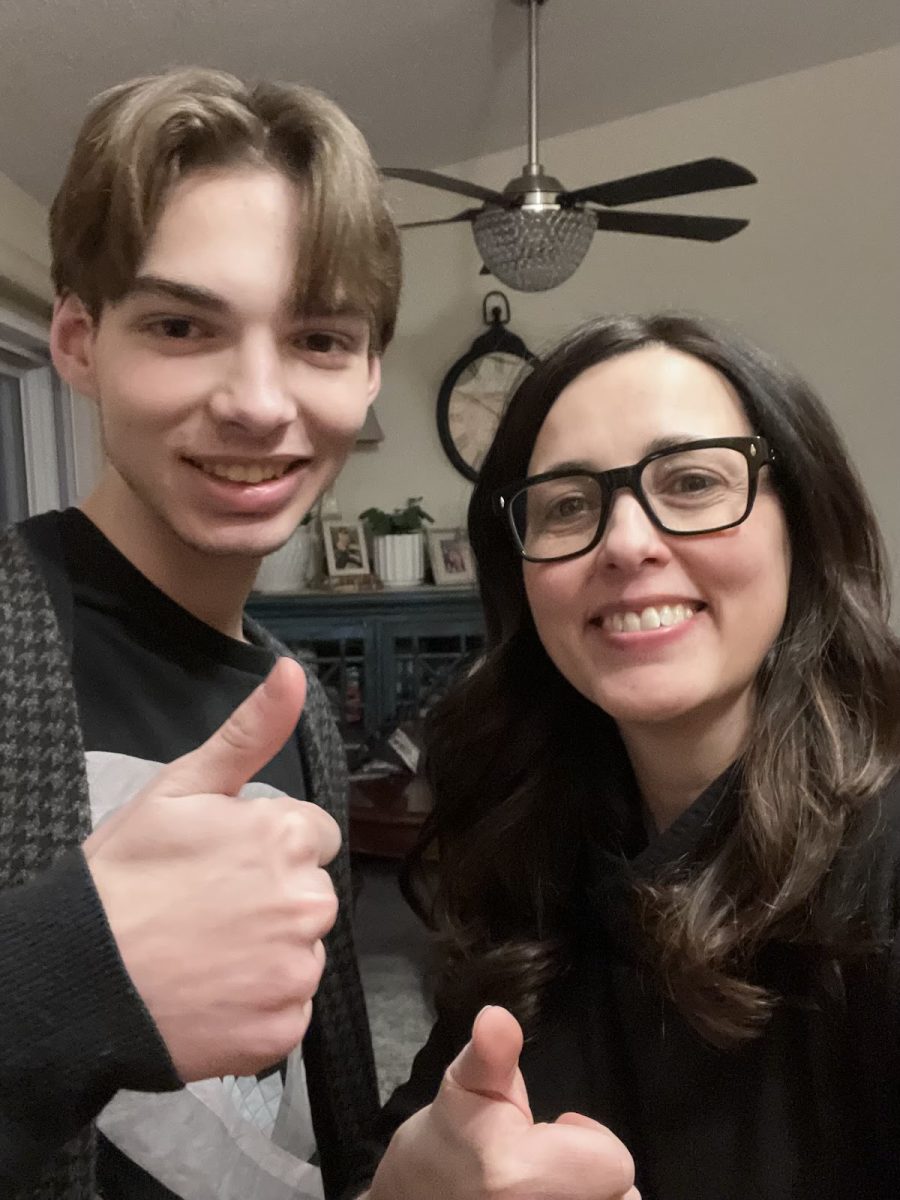
I got the opportunity to sit down with Tiffany Hurt, who is a trained Physicians Assistant and also my mom. We talked about all the ins and outs of the profession, and she gave me a unique, empathetic, and emotional perspective on the job due to the fact that I will be sharing through this interview. After this interview, I felt much more knowledgeable about Psychiatry and I was incredibly grateful for the newfound insight on the mental health industry.
DAX – Hello, thank you for joining me today. My name is Daxton. Would you like to introduce the reader to you?
TIFFANY HURT – Yeah, Hi. Thanks for having me. My name is Tiffany Hurt. And yeah, I’m glad to be here.
DAX – So what exactly do you do for work?
TIFFANY HURT – I am a psychiatric physician assistant. So that means that I’ve got training in general medicine. So, I know all those general medical fields, but then I’ve specialized in the field of psychiatry.
DAX – And psychiatry includes just basically all your mental stuff, right?
TIFFANY HURT – Yeah, so psychiatry is the study of medicine that treats mental illness. So when we talk about mental illness, we’re talking anywhere from depression, anxiety, bipolar, schizophrenia, ADHD; Those are the bulk of the diagnoses that I treat on a day-to-day basis.
DAX – Absolutely, anything from just like, I wouldn’t say minor inconveniences but like things that make life harder to work through to kind of more serious problems that make it very hard to operate in society correct?
TIFFANY HURT – Yeah, typically when you have a diagnosis, I mean we all have some down days or we all have some worries. But it’s when those down times or those worries lead to some dysfunction in your life that you’re going to come and see me. We’re going to talk about that and then I would prescribe medication for that.
DAX – Just to be clear to the reader here, this is different from a therapist because you are prescribing the meds. You’re being contacted by a therapist or by a doctor to prescribe and help diagnose and understand someone’s situation and find what’s best for them.
TIFFANY HURT – Yeah, no, actually, you’re right. I don’t do therapy. So a therapist, they’ll meet with you for like an hour and you talk about an issue and then that therapist will help you come up with a solution. They don’t tell you what to do, but they help you along or they teach you coping skills and emotion regulation. I can do that a little bit, but my main job is to diagnose anxiety, depression and then I look at it through the lens of how I would a medication help your specific problems?
DAX – Gotcha.
TIFFANY HURT – So I just deal with medications.

DAX – So as of recently, How have you seen people’s moods trend as of late? From the people you see, obviously people aren’t coming to you if they don’t have a problem, of course. But has there been any sort of specific thing that pops up over and over again?
TIFFANY HURT – Well, yeah, definitely this time of year, you know, you get seasonal depression.
DAX – Yes. Yes. Seasonal affective disorder.
TIFFANY HURT – Yep.So, you know, with the longer day or longer nights, the shorter days, the darker days, the colder weather, people, it really does affect people’s moods. And so even if you’ve already been an established patient, your moods can decline in this winter season.
DAX – Absolutely, stuff like that can definitely change season by season. Would you say you see a lot more people in the winter time than the summertime?
TIFFANY HURT – yeah I think people are coming in more, they’re having a harder time the winter months and so we get busier. And then with the holiday season too when people don’t have those support systems where they’re getting invited to things or the family system yeah they feel more lonely and so um yeah absolutely that’s a problem.
DAX – How have you been able to use psychiatry outside of your work environment to help either yourself work better or maybe communicate with others on a more empathetic level?
TIFFANY HURT – Well, I think that’s…my work translates well to relationships outside of work although I try not to I’m when I’m just dealing with my kids or my friends. I am not like diagnosing.
DAX – Absolutely.
TIFFANY HURT – Make sure I’m not bringing my work home, but it does take some work to separate work from And not to bring your work life into home, but over time, you can really figure that out.
DAX – Do you think there’s a potential danger to bringing that kind of mindset that you go into work with? The kind where you’re focused on treating people, pretty much.
TIFFANY HURT – Yeah, I could over symptomize you. Like if you forget to close the door or forget to take out the trash like I could be like oh no he’s got adhd I better get him on a medication otherwise he’s not going to function well in society! So yeah I could be looking at normal behaviors and pathologizing them. But definitely that’s something I try not to do.
DAX – Absolutely. And I think that’s not a problem with a lot of people, but a thing a lot of people recognize to the point where it’s like, I’m still in my work mind, like me personally, as like as a service person at a pizza place, I personally have to exit like my service mindset of just like providing the most dry and customer pleasing options and start like actually engaging with people when I get home. I do believe that there is a specific kind of mindset you enter at work and at home and it’s like it’s important to keep them separate.
TIFFANY HURT – yeah like yeah definitely. I don’t give people my opinions. I don’t share my political views with patients. Because that could set you on a bad relationship path. And I want to have my patient trust me.

DAX – As much as your job is to get personal with them it’s also to form that kind of good relationship with them so like you have to tread that kind of loose line of like okay i’m not going to upset you but i need to treat you, and I feel like a lot of that thinking can get a little bit machine-like. Do you ever feel like that at work?
TIFFANY HURT – Yeah, I definitely, and sometimes I think that even though that seems like over-analytical and you don’t, and it seems like you’re not seeing the person, but sometimes that’s a good thing because then you can take all the subjective things out and treat the actual person’s symptom, because that’s what the medication is going to help with.
DAX – Absolutely.
TIFFANY HURT – And you have to take personality issues out, because medication doesn’t help with personality disorder.
DAX – So… Yeah, so you have to keep an analytical mind, but I think what you’re trying to get at is you still want to connect with people.
TIFFANY HURT – Absolutely. Because that’s how a person is going to feel like you know them and that they trust you and that you’re working for their best interests and that gives them hope. And what we know is that hope is really one of the most important things to help people get better. Right. To have a little hope.
DAX – Yeah, absolutely. I think that might be one of the greatest drugs in life, to be honest.
DAX – Even though you are operating at that sort of level, I know you do take an empathetic connection to people in mind. I can think of a few examples, but like, have you ever had to make a decision based on less quantitative data, less numbers, less what you’re supposed to do, and more about like, What would be best for the patient?
TIFFANY HURT – Yeah. I think that happens a lot. It’s called the art of medicine. You know, that’s where you probably couldn’t have an AI bot do my job. It can be really subtle, picking up on subtle clues, or because of the potential side effects that a medication has, you really aren’t going to give them that medication.
DAX – Absolutely.
TIFFANY HURT – So yeah, you make some, like empathetic, like you don’t, I know this might be the best medication for you, but I know you probably put on some weight, and I know that’s going to be a big issue for you.
DAX – Right.
TIFFANY HURT – So I will look at maybe other medications that may not be quite as beneficial, but you’re not going to have weight gain. Just things like that.
DAX – Exactly.
TIFFANY HURT – Yeah.
DAX – And I think that is important to emphasize, that your job is a human one at the end of the day. You work to help others above the paycheck. You are connecting to people in their situation and you are connecting them to a solution or something that will help them arrive at a solution, sort of.
TIFFANY HURT – Yeah, I mean people, it’s not easy for people to come in and ask for help.
DAX – Right, absolutely.
TIFFANY HURT – So I understand that and realize that they’re really searching for something and so they want to get, they want to feel different than they’re feeling. So that’s my job is to try and find a medication that can help them function better.
DAX – You mentioned that people who seek you out, you know they want help. But I feel like for a lot of people, that can be hard to find. I mean, there’s some situations where the person doesn’t want help or something like that. Or the person… Or your patient is… Would it be patient?
TIFFANY HURT – Yes. Your patient.
DAX – Your patient might still be kind of searching for other options or suffering through stigmas around mental health, has that ever been like a huge barrier in your job with helping people?
TIFFANY HURT – Yeah I think every day. Today, there was a patient who’s just so miserable, but he really doesn’t want to take medication. Right. But his wife, who gets the brunt of his feeling miserable, is desperate for him to get help because she sees how terrible he feels, and then when he feels bad, he’s mean to her, and, you know, just been going on and on, and, and he just was so angry so and and I think it is that stigma around you know taking a pill to help you
DAX – yeah no absolutely I think it’s not even like the stigma around it, it’s not even like a feeling of sort of power it’s a feeling of sort of I’m not supposed to get help here I mean, it’s different for everyone, but it’s like, I’m supposed to be working through this myself. I’m supposed to be a functioning human being, you know?
TIFFANY HURT – Yeah, just, like, buck up, you know?
DAX – Right, exactly, buck up. I think that’s one of the most destructive things you can tell yourself is that I have to go through this myself.
TIFFANY HURT – Absolutely. Yeah. Yeah.
DAX – So I think outside of work, how do you manage your own relationships with yourself, with your mental health? Like, if you misplace your car keys, you think, ah, totally need, like, that’s another, that’s another tally mark for ADHD or something like that.
TIFFANY HURT – Yeah, it’s hard to not see yourself in some of your patients or see them getting help that maybe you wish that maybe you could give yourself that same help. So yeah, that’s an interesting dynamic because, yeah, even even as a practitioner, sometimes, unfortunately, I can say, well, they’re just taking the easy way out by taking this medication that maybe is just enhancing their situation. Maybe it’s not really causing them all that much dysfunction, but…
DAX – It’s numbing a problem that they’re having.
TIFFANY HURT – It is easy to go, yeah. I might have some of these issues and maybe need to help myself and actually it’s a common thing in psychology, therapy, psychiatry, they called it the wounded helper.
DAX – The wounded helper.
TIFFANY HURT – Yeah, so a lot of times people get into this field because they’ve had a problem, because they’ve had past addictions, or because they had a past eating disorder. They feel like because they’ve gone through all that, they can be more empathetic and they can be more of a helper, and in a way that can be good because you can empathize with them, but sometimes you can also feel and believe that, Like say I was bulimic and you were bulimic, I might think that our bulimia is the same.
DAX – Absolutely.
TIFFANY HURT – And treat your experience like my experience when you obviously had your own experience. Right. And so, but that’s something you learn in school.
DAX – Projection sounds like a huge trap in all those fields. You can feel like you have the answer, pretty much. Right. Because you got, either you got out of that situation yourself, or you’re working at, like, currently to get out of that situation yourself.
TIFFANY HURT – Mm-hmm.
DAX – And, you can feel like, oh, I know exactly what to do. You just need to do this, that, that. And it could be just, like, completely the wrong direction for them.
TIFFANY HURT – Yeah, you’re missing the point with the patient.
DAX – Exactly. Mm-hmm. Like, yeah. Again, I think that’s where that empathy comes in. Understanding your patient’s situation and understanding that this is a person who is struggling and who is struggling in a different way than I am struggling.
TIFFANY HURT – Mm-hmm. Yeah, so the biggest part of my job is listening. That is my number one skill, is listening. So if you can’t listen, or if you think you’re listening, but then you’re like, oh yeah, that’s how it was for me, this is what worked for me when I did this, you’re not really listening to them. So you just have to really be present with the person and listen.
DAX – If someone you knew was struggling to seek psychiatric help, like struggling with some sort of addiction or problem in their life or some deep misery. What advice would you have for them, that might involve your field? Of course, there’s a million different situations that would apply.
TIFFANY HURT – I think a lot of people are scared that if they take a medication, they are going to, especially a psychiatric medication, it’s going to change their personality in some way. And that is absolutely not the case. Medications don’t change your personality.
DAX – Yes, that’s important to know because… I think when you hear the word, simply just the word antidepressant, like you associate that with, oh, he’s going to be gleeful all the time. He’s going to be like smiles and rainbows through everything.
TIFFANY HURT – yeah, the absence of depression does not equal happiness.
DAX – Quote that actually because that was a huge thing I learned in my life.
TIFFANY HURT – You just go in there, ask for help, you’re not gonna nobody’s gonna think you’re dumb nobody’s gonna think they’ve never seen anything like this before and possibly they might even say like hey you know a medication might not help you you need to go see a therapist
DAX – Right you know absolutely because I mean again your job isn’t just to give people the drug. They don’t go one lexapro please or one like one meth tab or something like that you know I don’t know. I don’t know the medical term for, what’s the ADHD med?
TIFFANY HURT – Adderall.
DAX – Adderall. Thank you. Yeah. But, like, it’s, yeah, it’s important that you know, again, this is why you go through the general medical training before you go through the psychiatric one, right?
TIFFANY HURT – Right, right. Yeah, absolutely.
DAX – Say you knew someone who was getting into psychiatry, anything in that sort of field of medication, what advice would you give them?
TIFFANY HURT – That’s a good question. So, in the field of medicine, you can do all kinds of positions. So, I’m not just like an assistant, but that’s what they call us.
DAX – Right.
TIFFANY HURT – So, I’m actually like a mid-level provider or a physician extender. My role is to fill the gap where you can’t have a doc there. There’s just not enough doctors and prescribers and so physician assistants they’ve actually just changed the name to try to help with clarification like they changed it to physician associates.
DAX – How do you feel about that?
TIFFANY HURT – I’m not on board with it just because I’ve been an assistant.
DAX – That’s fair.
TIFFANY HURT – And we really go by PA, and I think the whole world knows us as a PA.
DAX – Gotcha.
TIFFANY HURT – So I think they kind of get that. So I think that’s why they kept the A with associate.
DAX – Like, you’re not the doctor that comes in for the first five minutes of ageneral checkup, and then let the real doctor come in or something like that.
TIFFANY HURT – Right.
DAX – Like, you are doing the work.
TIFFANY HURT – Yeah. It’s a unique, unique field which has its lot of advantages. You know, we always have to meet with an actual doctor, so we have a supervising physician and our license requires that we meet with a doctor, and it’s really nice because then you can collaborate on cases.
DAX – Right.
TIFFANY HURT – And even the doctor appreciates that. So, that’s part of what I really like about my specific job. And the other thing that’s unique with a PA is that I wanted to decide I wanted to go into dermatology and I wanted to treat people for their skin conditions. If I find a doctor that will hire me, I can go do that. Where if a doctor wanted to do that, they’d have to go back to do a residency, go back to school, and get a specialty in dermatology. That’s a unique thing with being a physician assistant.
DAX – Absolutely.
TIFFANY HURT – We can provide any service. So I think that’s really cool. That’s something I would let people know that we’re interested in the field of medicine. Right. Because you don’t really know what you want to do.
DAX – Well, thank you for your time. This has been wonderful. I learned so much about it, I think me and the reader learned so much about psychiatry. It really is interesting. I learned a lot I’ve gained a lot of new perspectives so thank you so much.
TIFFANY HURT – I really appreciate talking with you too.